Bangla keyword research has evolved dramatically by 2026, transforming how businesses reach their target audiences in Bangladesh and Bengali-speaking communities worldwide. With over 300 million native speakers and rapidly growing internet penetration across South Asia, mastering Bangla SEO isn’t just an option - it’s a competitive necessity.
Why Bangla Keyword Research Matters More Than Ever in 2026
The Bengali digital landscape has experienced explosive growth over the past few years. As of early 2025, Bangladesh reached 77.7 million internet users with internet penetration at 44.5% of the population. With mobile internet dominating at 119.29 million subscribers and Bengali language searches continuously rising, your potential customers are actively searching for products and services in their native language. If you’re not visible in those searches, you’re invisible to them.
For small businesses and startups, Bangla keyword research levels the playing field. While large corporations often dominate English keywords with massive budgets, the Bangla search space still offers abundant opportunities for nimble businesses to capture high-intent traffic at a fraction of the cost. A local boutique in Dhaka or a startup in Chattogram can outrank multinational competitors simply by understanding what their customers are actually typing into search engines.
The reality is stark: businesses investing in proper Bangla SEO are seeing 3-5 times higher engagement rates compared to English-only content. Users spend longer on pages, bounce rates drop significantly and most importantly, conversion rates improve because the content speaks their language - literally and culturally.
Critical Factors to Consider in Bangla Keyword Research
Language Script Variations
Bengali users search in multiple ways: pure Bangla script (বাংলা), Banglish (Bangla words in Roman script like “taka” or “bazar”) and mixed language queries. In 2026, voice search has made this even more complex, as people speak naturally in colloquial Bangla that differs from formal written language. You need to account for all these variations to capture the full search volume.
Regional Dialects and Cultural Nuances
Bengali isn’t monolithic. The language varies significantly between Bangladesh and West Bengal and even within Bangladesh, there are regional preferences. A Sylheti searches differently than someone from Khulna. Words that are common in Dhaka might be rarely used in Chittagong. Understanding these regional differences can help you target specific geographic markets more effectively.
Search Intent Alignment
Bangla searchers have distinct intent patterns. They tend to use more conversational, question-based queries. Instead of “laptop price ” a Bengali user might search “ভালো ল্যাপটপ কোথায় পাবো” (Where can I get a good laptop?). Understanding this natural language pattern is crucial for matching intent.
Seasonal and Cultural Events
Bengali culture is rich with festivals, events and seasonal occasions that drive massive search spikes. Pohela Boishakh, Eid, Durga Puja and other celebrations create predictable keyword opportunities. Planning content around these events can generate substantial traffic bursts.
Mobile-First Behavior
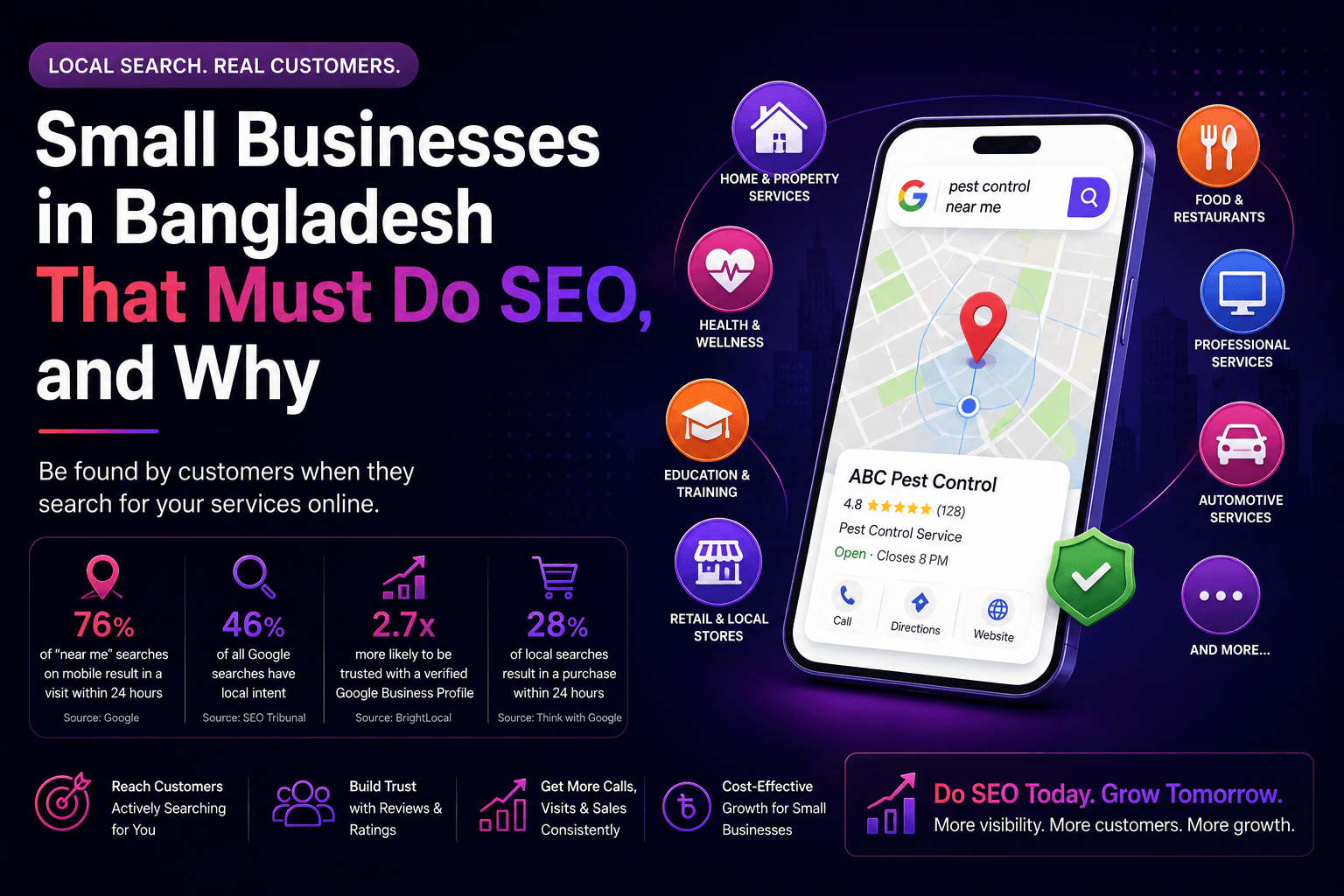
Over 90% of Bangla searches happen on mobile devices in 2026. This means your keywords need to match mobile search behavior - shorter queries, voice-activated searches and location-specific terms like “আমার কাছে” (near me) or specific area names.
Local Business Information
Bengali searchers frequently include location modifiers. “ঢাকায় সেরা রেস্টুরেন্ট” (best restaurant in Dhaka) or specific neighborhoods like “গুলশান” (Gulshan) or “ধানমন্ডি” (Dhanmondi) appear in countless searches. Ignoring these geographic qualifiers means missing highly qualified local traffic.
Free Tools to Find Bangla Keywords in 2026
Google Keyword Planner
Despite its age, Google Keyword Planner remains invaluable for Bangla research. Set your location to Bangladesh and language to Bengali. The tool now provides better Bangla script support and shows search volumes specifically for Bengali queries. Look for keywords with decent volume (1,000+ monthly searches) but low to medium competition for quick wins.
Google Autocomplete and “People Also Ask”
Simply start typing in Bangla into Google’s search bar. The autocomplete suggestions reveal what real users are searching for right now. Similarly, the “People Also Ask” section shows related questions that indicate search intent. These are goldmines for long-tail keyword opportunities that your competitors might overlook.
Google Trends
Set your region to Bangladesh and search in the Bangla script on Google Trends. It shows rising queries, seasonal patterns and regional interest. It’s particularly useful for identifying trending topics before they become saturated. The comparison feature lets you evaluate multiple keyword options to choose the most promising ones.
AnswerThePublic
While primarily English-focused historically, AnswerThePublic now supports Bangla queries better in 2026. It visualizes questions, prepositions and comparisons people search for around your seed keyword. This tool is excellent for building content clusters and understanding the full scope of user curiosity around a topic.
Ubersuggest
Neil Patel’s Ubersuggest offers free limited searches and now includes better Bangla support. It provides keyword difficulty scores, content ideas and competitor analysis. The free version gives you enough data to start if you’re a small business testing the waters.
AlsoAsked
AlsoAsked maps out the “People Also Ask” questions in a visual hierarchy. For Bangla queries, it helps you understand the entire question landscape around a topic, which is perfect for creating comprehensive content that answers multiple related queries in one piece.
YouTube Search and Autocomplete
Bengali YouTube content has exploded. YouTube’s search suggestions reveal what people want to watch and learn about in Bangla. Since video content ranks in Google search too, these keywords can inform both your video and written content strategy.
Facebook Search
With over 50 million users in Bangladesh, Facebook remains a critical platform. Use its search bar to discover how people discuss topics in colloquial Bangla. Group discussions and page comments reveal natural language patterns that might not appear in formal searches but represent real user intent.
Reddit and Quora
Search for Bangla queries on these platforms. While smaller than English content, the growing Bangla presence on these sites reveals pain points and questions your target audience cares about. These insights often translate into keyword opportunities with commercial intent.
The Step-by-Step Process for Bangla Keyword Research
Step 1: Define Your Business Goals and Audience
Before touching any tool, get crystal clear on what you want to achieve. Are you looking for immediate sales, brand awareness or long-term authority? Who is your ideal customer - their age, location, economic status and online behavior? A startup selling to tech-savvy millennials in Dhaka will use different keywords than a business targeting middle-aged homeowners in Khulna.
Step 2: Create a Seed Keyword List
Write down 10-20 core terms related to your business in both Bangla script and Banglish. If you sell cosmetics, your seeds might include “প্রসাধনী ” “সৌন্দর্য পণ্য ” “মেকাপ ” and their English equivalents. Think about how customers would naturally describe what you offer, not industry jargon.
Step 3: Expand with Tools
Feed each seed keyword into Google Keyword Planner, Ubersuggest and Google Autocomplete. Export all suggestions. Don’t filter yet - just collect. You want volume at this stage. For each seed, you might generate 50-100 related terms.
Step 4: Analyze Search Volume and Competition
Now filter ruthlessly. Look for keywords with at least 500-1,000 monthly searches but “low” to “medium” competition ratings. These represent your quick-win opportunities. In 2026’s Bangla market, you can still find plenty of keywords with 5,000+ monthly searches and manageable competition - scenarios that vanished in English years ago.
Step 5: Assess Search Intent
For each promising keyword, actually Google it. Look at the top 10 results. Are they informational blog posts, product pages, videos or something else? If you want to sell products but the results are all how-to guides, that keyword won’t convert well for you. Match your content type to the dominant search intent.
Step 6: Group Keywords by Topic
Cluster related keywords into topic groups. If you’re targeting “চুলের যত্ন” (hair care), group all related terms like “চুল পড়া বন্ধ করার উপায়” (how to stop hair fall) “চুলের জন্য তেল” (oil for hair), etc. You’ll create one comprehensive piece of content targeting the entire cluster rather than separate thin pages for each keyword.
Step 7: Prioritize Based on Business Value
Not all keywords are equal. A keyword with lower search volume but high purchase intent (“ল্যাপটপ কিনবো” – want to buy laptop) might be more valuable than a high-volume informational query. Assign priority scores based on relevance to your business goals, search volume, competition and likely conversion rate.
Step 8: Map Keywords to Content
Create a spreadsheet mapping each keyword or cluster to a specific page or piece of content. This prevents keyword cannibalization where multiple pages compete for the same term. Each page should have a primary keyword and 3-5 secondary related keywords.
Step 9: Monitor Competitor Keywords
Search your main keywords and see who’s ranking. Visit their sites and analyze their content. What keywords appear in their titles, headings and content? Tools like Ubersuggest can show you competitor keywords. You’re not copying - you’re identifying gaps where you can differentiate or areas where they’re weak that you can dominate.
Step 10: Track and Refine
Use Google Search Console to monitor which Bangla keywords are actually bringing traffic to your site. You’ll discover keywords you didn’t target that you’re ranking for - opportunities to optimize further. You’ll also see keywords where you rank on page 2 or 3 that just need a little improvement to reach page 1 and capture real traffic.
Current and Future Trends in Bangla SEO (2026 and Beyond)
Voice Search Dominance
By 2026, voice search has become the dominant search method for Bengali users on mobile devices. Global voice search usage shows approximately 20.5% of people worldwide actively using voice search, with 8.4 billion voice assistants in use globally. In Bangladesh’s mobile-first market, people speak more naturally than they type, using complete questions and local dialect. Optimizing for conversational long-tail keywords and natural language patterns has become non-negotiable for reaching Bengali-speaking audiences.
AI-Powered Search Experiences
Google’s AI Overviews now appear in over 13% of all searches, synthesizing information from multiple sources to answer queries directly. To appear in these AI-generated summaries, your Bangla content needs to directly answer questions concisely while maintaining depth. Structured data markup, clear headings and authoritative content have become critical ranking differentiators in 2026’s search landscape.
Hyperlocal Targeting
“Near me” searches in Bangla have exploded. “আমার কাছে ফার্মেসি” (pharmacy near me) or specific neighborhood names appear in millions of daily searches. Google Maps integration with Bengali language support has made local SEO critical for any business with a physical presence.
Video Content Integration
Video results appear in standard search results for Bangla queries more than ever. Creating video content with Bangla titles, descriptions and subtitles gives you dual visibility - on YouTube and in Google search. Shorts and vertical video formats optimized for mobile are particularly effective.
E-A-T and Author Authority
Google’s focus on expertise, authoritativeness and trustworthiness now applies equally to Bangla content. Building author profiles, gaining backlinks from reputable Bengali sites and demonstrating subject matter expertise through comprehensive content has become essential for competitive keywords.
Mobile-First Indexing Maturity
Google exclusively uses mobile versions of pages for indexing and ranking. With Bengali users overwhelmingly on mobile, your site’s mobile experience directly impacts rankings. Core Web Vitals - loading speed, interactivity, visual stability - matter more than ever.
Semantic Search and Context
Google better understands Bengali language nuances, synonyms and contextual meaning in 2026. This means you need to write naturally for humans rather than stuffing exact-match keywords. Covering topics comprehensively with related concepts and terms performs better than repetitive keyword usage.
Social Commerce Integration
Bengali users increasingly discover products through social media, then search for reviews or direct purchase options. The line between social media and search has blurred. Integrating your keyword strategy with social presence and ensuring consistent information across platforms drives better overall visibility.
Emerging Platforms
While Google dominates, platform-specific search behavior is growing. TikTok and Instagram search for product discovery, Facebook Marketplace for local transactions and specialized apps for services. A complete 2026 keyword strategy considers these platform-specific search behaviors beyond just Google.
What Not to Do: Critical Mistakes That Will Backfire
Keyword Stuffing
Repeating your target keyword unnaturally throughout content was ineffective in 2020 and is actively harmful in 2026. Google’s algorithms easily identify this manipulation and will suppress your rankings. Worse, users immediately bounce when content reads awkwardly, sending negative engagement signals that further damage your visibility. Write naturally first, optimize second.
Ignoring User Intent
Targeting a keyword without understanding why people search for it wastes everyone’s time. If people searching “মোবাইল ব্যাংকিং” (mobile banking) want to learn how it works but you only provide app download links, they’ll leave immediately. High bounce rates tell Google your page doesn’t satisfy the query and you’ll drop in rankings despite technically being “optimized” for the keyword.
Copying Competitor Content
Finding a ranking page and paraphrasing it might seem efficient, but Google’s duplicate content detection is sophisticated in 2026, especially for Bangla content. More importantly, you can’t differentiate or provide unique value by copying. You’ll always remain behind the original source in rankings and never build real authority.
Neglecting Content Quality
No amount of keyword optimization compensates for thin, poorly written content. A 300-word article targeting a complex keyword won’t rank against competitors offering comprehensive 2,000+ word guides. Bengali users, like all users, stay on quality pages and leave poor ones. Google measures this behavior and ranks accordingly.
Forgetting Technical SEO
Even perfect keyword targeting fails if your site loads slowly, doesn’t work on mobile or has broken links. Technical health is foundational. A site that takes 8 seconds to load on a Dhaka mobile connection loses visitors before they see your carefully optimized content. Google factors site performance heavily into rankings in 2026.
Over-Optimizing with Exact Matches
Having every heading, title and paragraph contain your exact keyword phrase looks suspicious to both users and algorithms. Google understands Bengali synonyms and related concepts. Use variations, related terms and natural language. This actually helps you rank for more keyword variations while appearing legitimate.
Targeting Only High-Volume Keywords
Everyone chases keywords with 50,000 monthly searches, making them hyper-competitive. Meanwhile, 20 keywords with 2,000 searches each total 40,000 with far less competition. Long-tail keywords often convert better because they indicate specific intent. A startup can’t compete with established brands on popular terms but can dominate niche queries.
Ignoring Mobile Experience
Creating content that looks perfect on desktop but breaks on mobile is disastrous when 90%+ of your Bengali audience uses phones. Tiny text, unclickable buttons or horizontal scrolling will destroy your user experience regardless of your keywords. Google’s mobile-first indexing means mobile problems are ranking problems.
Buying Backlinks
Purchasing links from link farms or sketchy directories was questionable before and is explicitly penalized now. Google’s algorithms easily identify unnatural link patterns, especially in smaller markets like the Bangla web. A single manual penalty can devastate your visibility for months. Earned links from quality Bengali sites have never been more important.
Inconsistent NAP Information
For local businesses, having different names, addresses or phone numbers across directories, your website and Google Business Profile confuses algorithms and users. This fragmentation directly impacts local search rankings. Ensure every mention of your business information is identical across the web.
Setting and Forgetting
Creating optimized content once and never revisiting it is a slow path to irrelevance. Search trends change, competitors improve and Google’s algorithms evolve. Content that ranked well six months ago might slip without updates. Regular monitoring and refreshing are necessary to maintain and improve positions.
Black Hat Tactics
Cloaking (showing different content to search engines than users), hidden text, sneaky redirects and other manipulative techniques will get your site banned. In 2026, Google’s machine learning detects these patterns almost instantly. Recovery from a manual penalty is difficult, time-consuming and might require completely rebuilding your web presence.
Why You Need an Experienced Expert for Bangla SEO
The Bangla digital landscape has unique complexities that make expertise invaluable. While tools provide data, interpreting that data within cultural, linguistic and market-specific contexts requires experience. An expert understands the nuances between formal and colloquial Bangla, knows which regional dialects dominate different markets and can predict seasonal trends based on cultural calendars that tools can’t capture.
Bangla SEO mistakes don’t just waste time - they can actively harm your business. Optimizing for keywords that sound similar but carry different cultural meanings can make your brand appear tone-deaf or even offensive. Targeting search terms popular in West Bengal when your business serves Bangladesh misallocates resources. These aren’t technical errors tools catch; they require human judgment grounded in market knowledge.
Algorithm changes disproportionately affect smaller language markets. When Google updates its ranking systems, the Bengali search landscape can shift dramatically because there are fewer websites competing and lower content quality overall. An experienced expert monitors these changes, understands their implications for Bangla specifically and adapts strategies before your rankings suffer.
Competitor analysis in the Bangla market requires understanding who the real competitors are - not just direct business competitors but also high-authority sites, news portals and established blogs that dominate search results. An expert identifies which battles are worth fighting and which keywords are unrealistically competitive for your budget and timeline.
Technical SEO implementation on bilingual or Bangla-only sites introduces complications. Language tagging, schema markup in Bengali and ensuring proper rendering of Bangla script across devices requires technical knowledge. Mistakes here don’t just affect rankings - they can make your site partially unusable for your target audience.
Content strategy extends beyond keyword selection. An expert structures your content ecosystem - service pages, blog posts, FAQs, case studies - to work together, creating internal linking patterns that distribute authority and help users naturally discover related information. This strategic architecture multiplies the impact of your SEO investment.
Link building in the Bangla ecosystem requires relationships and credibility. Quality Bengali websites don’t link to just anyone. An established expert has connections with bloggers, journalists and site owners, can secure guest posting opportunities and knows how to pitch content that earns natural backlinks. Building these relationships from scratch takes years.
ROI optimization means prioritizing the right keywords and content for your business stage and goals. A startup with limited budget needs different tactics than an established business defending market share. An expert allocates resources where they’ll generate returns fastest while building long-term authority - balancing immediate needs with sustainable growth.
Risk mitigation protects your investment. An experienced professional recognizes when a strategy approaches manipulative territory and steers you away from tactics that might show short-term gains but carry penalty risks. They’ve seen what happens when businesses cut corners and ensure you avoid those pitfalls.
Finally, time is your most valuable resource. Learning SEO through trial and error on your own business means months or years of suboptimal results. An expert compresses your learning curve, applying proven strategies immediately while you focus on running your business. The opportunity cost of delayed visibility often exceeds the cost of hiring expertise.
For SEOMINDZ, this expertise isn’t just about knowing tools - it’s about understanding the Bengali market deeply, staying current with rapid changes in search behavior and delivering measurable traffic growth that translates to business results.
Frequently Asked Questions
How long does it take to see results from Bangla SEO?
Most businesses see initial traffic improvements within 2-3 months for low-competition keywords, with more competitive terms taking 4-6 months or longer. Unlike paid advertising, SEO builds momentum - traffic typically grows exponentially rather than linearly as your site gains authority. Quick wins from long-tail keywords can deliver visitors within weeks while you build toward more valuable competitive terms.
Should I target Bangla, Banglish or both?
Target both. Many Bengali users search in Bangla script on desktop but use Banglish (Bangla words in Roman script) on mobile due to keyboard convenience. Younger audiences especially mix languages. Create content primarily in Bangla script but include Banglish variations where natural and consider how voice search might capture spoken queries in colloquial language.
How much content do I need to rank well?
Quality outweighs quantity, but comprehensiveness matters. For competitive keywords, aim for 1,500-2,500+ words of substantive content that thoroughly answers user questions. For less competitive long-tail keywords, 800-1,200 words often suffices. More important than word count is covering the topic completely and better than current ranking pages.
Can I use Google Translate for creating Bangla content?
Never rely solely on machine translation. Automated translation produces grammatically awkward content with cultural misunderstandings that repel readers. Use native Bengali content creators or editors at minimum. Poor language quality immediately damages credibility and increases bounce rates, hurting both conversion and rankings.
Do I need a .bd domain to rank in Bangladesh?
No, domain extension doesn’t determine rankings. A .com, .net or other extension works fine if you properly set your target country in Google Search Console, use Bangla language and include location indicators in content. However, a .bd domain can provide trust signals to local users and may offer minor benefits for local search queries.
How important are backlinks for Bangla SEO?
Extremely important. Quality backlinks from reputable Bengali websites signal authority and trustworthiness to Google. However, the bar for quality backlinks in the Bangla ecosystem is lower than in English markets - getting links from respected local newspapers, popular blogs or industry sites provides significant ranking benefits.
What’s the difference between mobile and desktop keyword research?
Mobile users typically use shorter queries or voice search with longer, conversational questions. They include more location terms and immediacy indicators (“now ” “today ” “near me”). Desktop users might research more extensively with complex queries. Since most Bangla traffic is mobile, prioritize mobile search patterns - natural questions and local qualifiers.
Should I worry about featured snippets for Bangla keywords?
Yes, though competition is lower than English. Structure content to directly answer questions in 40-60 word paragraphs, use bullet points for steps or lists and include relevant subheadings. Featured snippets capture significant click-through from position zero and are achievable for Bangla queries with proper formatting.
How do I track my Bangla keyword rankings?
Google Search Console shows your actual rankings and traffic for Bangla keywords. For detailed tracking, use free tools like Google Analytics to monitor organic traffic by landing page and keyword. Periodically search your target keywords manually in incognito mode to verify positions, though rankings can vary by location and device.
Can small businesses compete with big brands in Bangla SEO?
Absolutely. The Bangla SEO landscape still offers numerous opportunities where small businesses with targeted strategies outrank larger competitors. Big brands often neglect long-tail keywords, local optimization and niche topics. Your agility and focused attention on specific audience segments can overcome their larger resources.
What’s the ideal keyword density for Bangla content?
Forget keyword density as a metric. Focus on natural language and comprehensive topic coverage. Your primary keyword should appear in the title, URL, first paragraph and a few subheadings, but beyond that, write naturally. Google understands semantic relationships and synonyms - forced repetition hurts more than helps.
Do social media signals affect Bangla search rankings?
Social signals don’t directly impact rankings, but they indirectly help. Popular content on Facebook or YouTube generates traffic, some of which converts to backlinks when other sites reference your content. Social presence also supports brand searches, which Google interprets as a quality signal. Integrate social and search strategies for maximum impact.
How often should I update my keyword strategy?
Review quarterly at minimum, with quick monthly checks on your top-performing keywords. Search trends shift with seasons, events and market changes. Your initial strategy will need refinement as you gather data on what actually drives traffic and conversions. Successful SEO is iterative, not set-and-forget.
What’s the best keyword strategy for an e-commerce site selling in Bangladesh?
Target transactional keywords with purchase intent - terms including “কিনুন” (buy) “দাম” (price) “অফার” (offer), plus specific product models or categories. Also create informational content around buying guides and comparisons to capture users earlier in the purchase journey. Product pages should target specific item keywords while blog content captures broader category terms.
Should I optimize for YouTube search differently than Google search?
Yes. YouTube users are explicitly looking for video content, so optimize titles and descriptions for tutorial-style, how-to and review keywords. Video titles can be longer and more descriptive. Timestamps in descriptions help users navigate and improve watch time. Include relevant tags and consider what users would speak in voice search when requesting videos.